The first-hour evidence checklist after an emergency
A calm, safety-first checklist for preserving essential facts after an accident, storm, fire, or sudden loss.
Key takeaways
- Safety and medical needs always come before documentation.
- Capture identifying information and changing conditions.
- Back up files and write a timeline while details are fresh.
Stabilize the situation
Call emergency services when needed, move away from active hazards, and follow official directions. Do not delay care to collect evidence.
Collect the basics without escalating
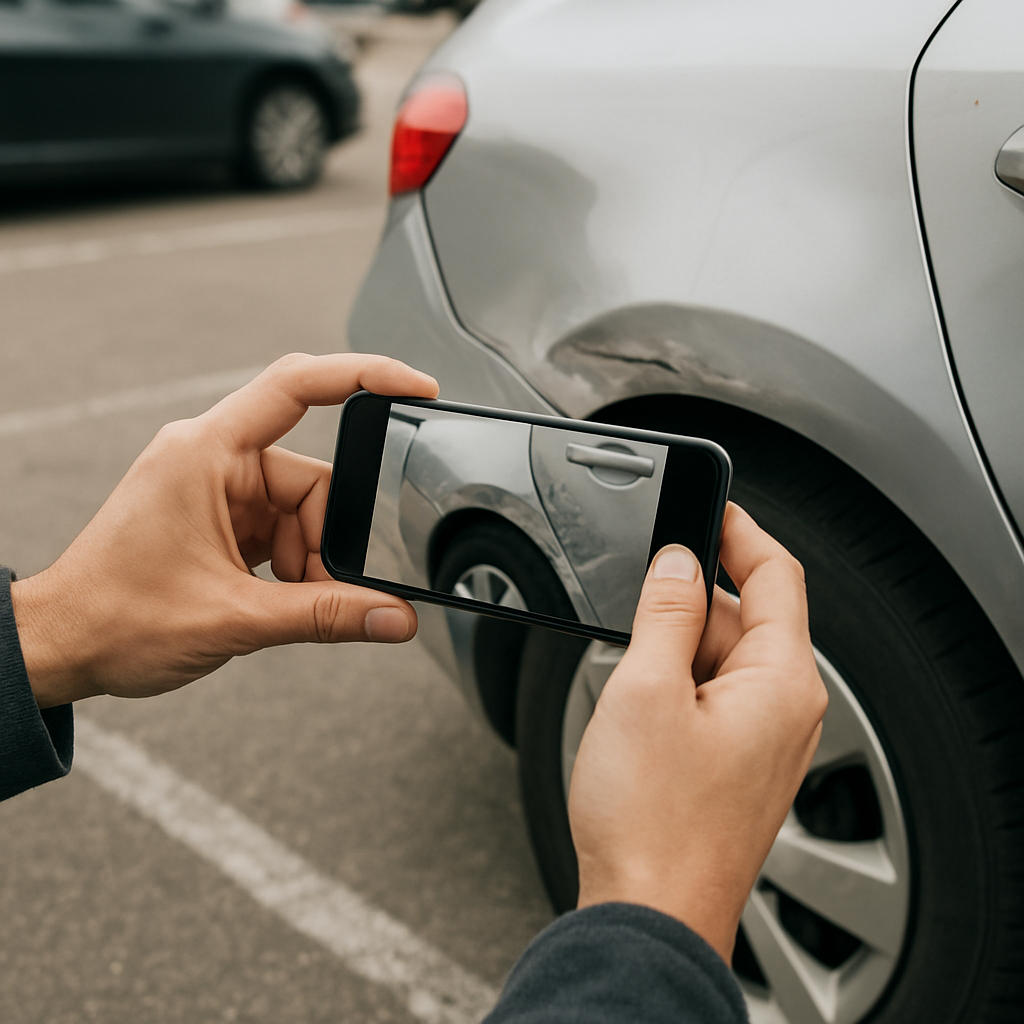
When safe, capture the overall scene, changing conditions, relevant signs or identifiers, and contact information for witnesses. Avoid arguments or conclusions about fault.
Checklist
- Wide and close photographs
- Names and contact details
- Report or incident number
- Weather, time, and location notes
Back up and write the timeline
Upload original files to a secure account and avoid editing them. Write what you personally observed, what others said, and what happened next.
Keep public social posts minimal while facts and claims are still developing.
Common questions
Frequently asked questions
A clearer next step
Organize your situation before details get lost.
Preserve evidence, build a timeline, and prepare a summary you can use when speaking with a qualified professional.
Get help now